top of page


Marine Vertebrate Ecology Lab

Blog


My research plan vs. the ocean
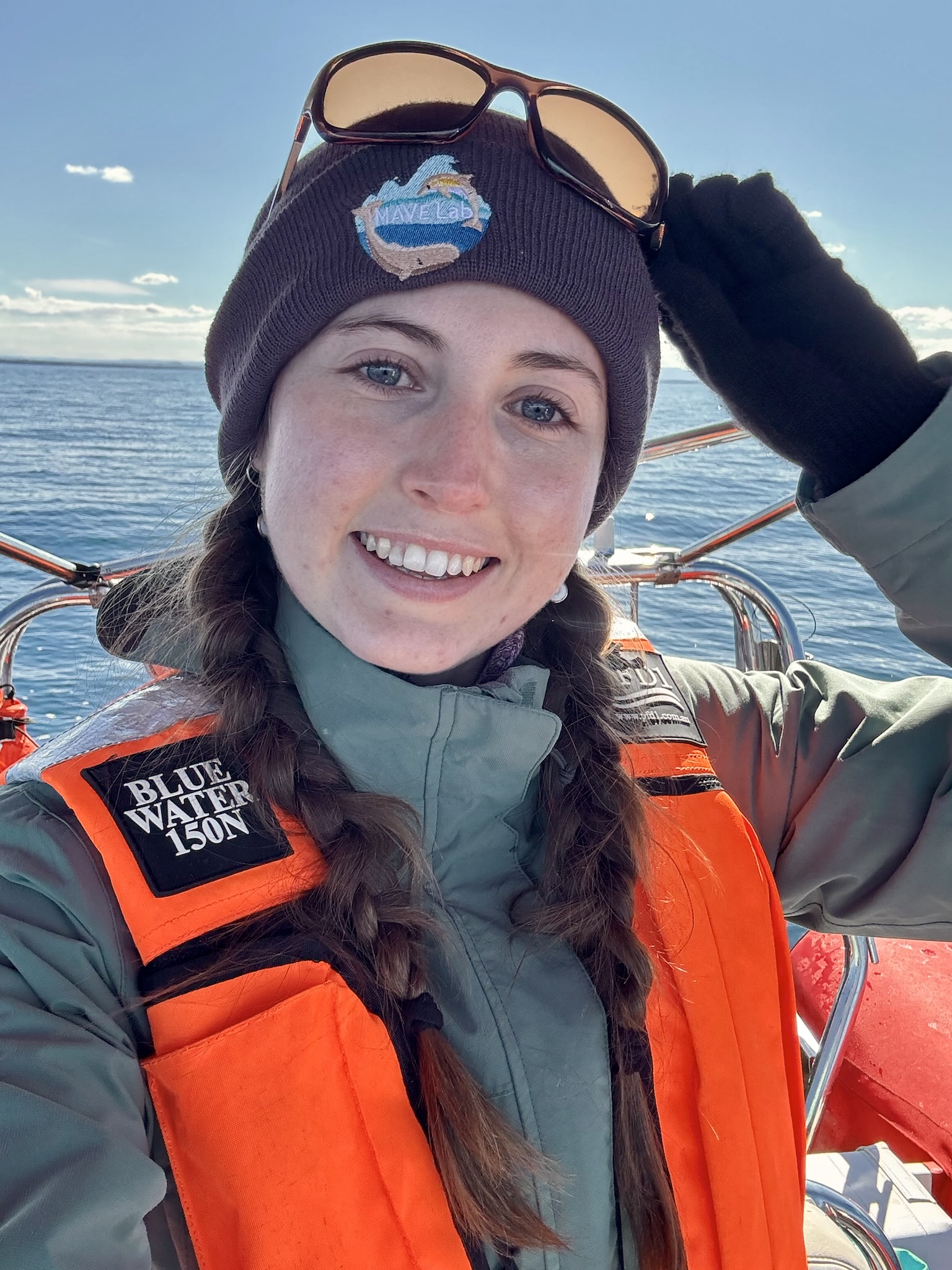
For months, my PhD research had existed mostly on paper. There were research questions, maps, survey designs, risk assessments, equipment lists and, most importantly, plans for how everything was supposed to work. Then, eventually, I got on a boat. This was my first proper stint of fieldwork for my own research project, the first time I was collecting data that would eventually become part of my thesis. I’d done boat-based dolphin fieldwork before, so the boats, binoculars an
Juliette Gard
3 days ago4 min read


Predicting and managing koala population growth in South Australia
credit: Corey J.A Bradshaw, Flinders University, South Australia Australians tend to think of koalas as a species in crisis, iconic animals pushed toward extinction by climate change, disease and habitat loss. While that is true across much of eastern Australia, in South Australia’s Mount Lofty Ranges, koalas are facing the opposite problem: their numbers have grown so rapidly that they are now damaging the very forests they rely on. Unlike with non-native species such as go

Katharina J Peters
Aug 234 min read


Writing retreat or getting words on the page
(written in partnership with BEAM) In academia, writing is not optional and, if you don’t particularly enjoy it that’s totally fair, but it might be worth reconsidering your career path. Writing is how we communicate our research, contribute to scientific progress, and stay accountable to the taxpayer that often funds our work. Yet, with everything else demanding our time (e.g., teaching, supervising, admin duties), writing is often the first thing to fall by the wayside. Dai
Katharina J Peters
May 95 min read
bottom of page