


My research plan vs. the ocean
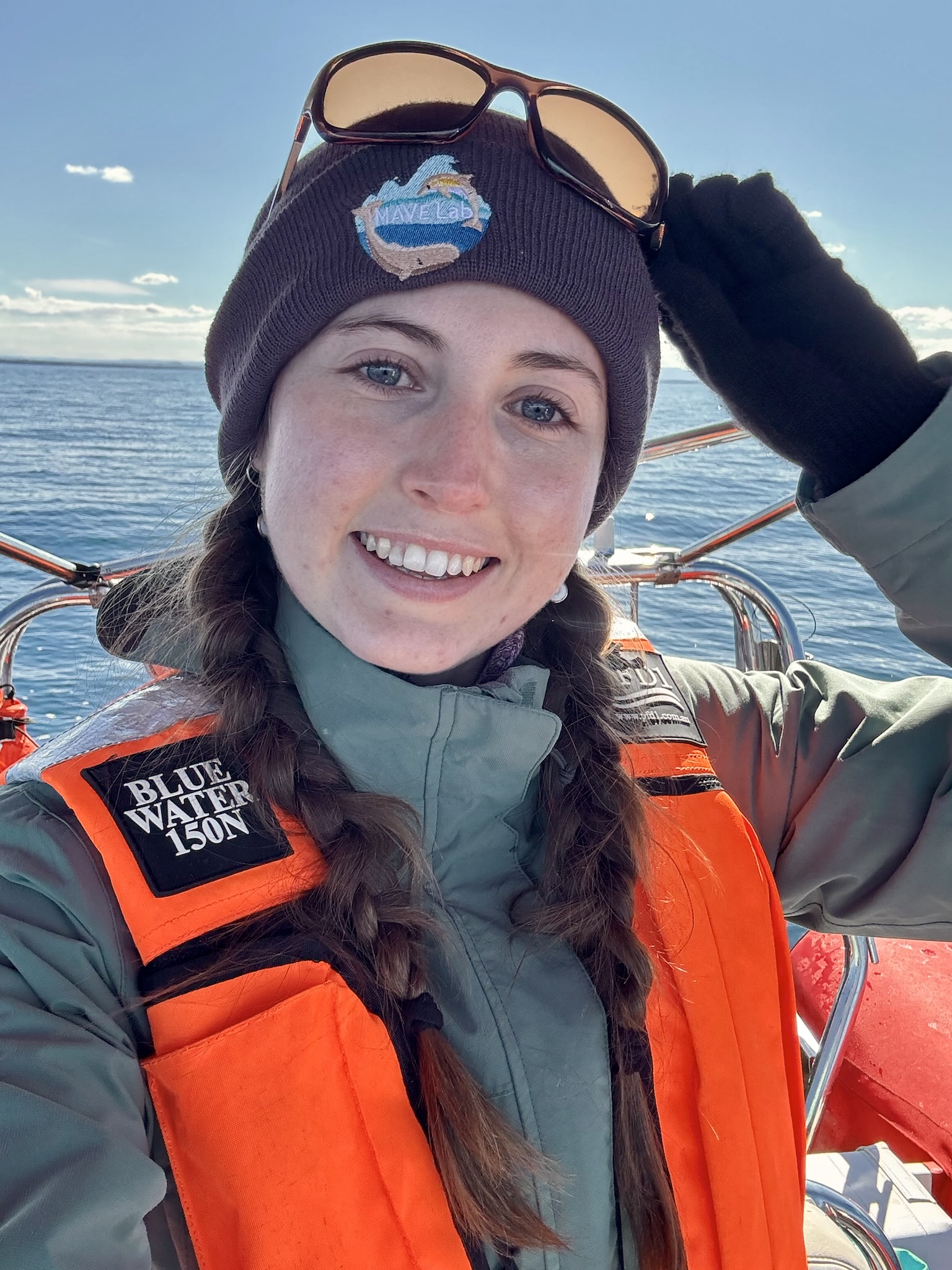
For months, my PhD research had existed mostly on paper. There were research questions, maps, survey designs, risk assessments, equipment lists and, most importantly, plans for how everything was supposed to work.
Then, eventually, I got on a boat.
This was my first proper stint of fieldwork for my own research project, the first time I was collecting data that would eventually become part of my thesis. I’d done boat-based dolphin fieldwork before, so the boats, binoculars and dorsal fins weren’t entirely new territory. But this time felt different because I’d done months of planning, admin, and preparation before the work finally turned into actual field days.
Exciting, yes. But also accompanied by the terrifying question: What happens if the plan doesn’t work? I found out almost immediately.
On the first morning we headed into an area of the bay that I had planned to survey, only to realise that the tide was too low for us to safely continue. The seagrass was so beautiful and very much something we did not want our research boat driving through. Protecting it was much more important than completing a transect.

So, we slowly backed out.
Survey plan: ❌
Seagrass: 🌱
Me: reconsidering life choices.
And then came the decision: what do we do now?
This was probably my first real “this is MY research” moment. I knew what data I needed and how I had planned to collect it, but the conditions on the water were telling us that the plan wasn’t going to work as written. The tides, as it turns out, don’t care about my sampling priorities. I had to make the call, rethink the day’s survey and work out how to adapt our approach.
It was a small decision in the grand scheme of things, but it felt significant. I realised that doing your own research isn’t just about having a well-designed plan. It is also about being able to recognise when that plan is no longer appropriate and having the confidence to change it. And the better you understand your objectives, the better you can adapt when reality inevitably refuses to cooperate.
This lesson came up again and again throughout the trip.
The weather forecast suggested that the wind would drop around the middle of the second day. Instead, it did the exact opposite. My weather app started looking less like a forecast and more like a diagram for a complicated game of Double Dutch.
And sometimes the dolphins don’t cooperate either. You can have your survey route planned and your equipment ready, and then a group of dolphins will simply decide:
No thanks, Juliette. We’re going over there. And no, you can’t come.

There was also the small matter of finding animals that weren’t actually my study species. On our first day, we encountered common dolphins, the first I had ever seen (despite the name), and then a fur seal. At this point I began to wonder whether the wildlife of Jervis Bay had decided to show me everything except my study species.

Eventually though, the Indo-Pacific bottlenose dolphins appeared.
And that was when the scientist part of my brain kicked in. There is a very distinct transition that happens when you stop just being a person who is excited to see dolphins and start also being the person responsible for collecting data about them.
LOOK! DOLPHINS! SO AMAZING!
very quickly becomes:
Wait. How many individuals? What’s the GPS waypoint? What are they doing?
The dolphins, naturally, were not particularly interested in answering any of these questions.
I also was reminded how much fieldwork depends on other people. The guidance, effort, and time from my supervisor, Dr Katharina Peters, and fellow PhD student and friend, Ilona Sinn, made the trip entirely possible. Fieldwork does not look like a lone scientist heroically cruising around looking for dolphins. In reality, it takes a team of people problem-solving, photographing, navigating, checking conditions and occasionally reminding each other that it might be time to eat and drink something.

The strangest part of the whole trip was coming home and realising that I now had something I had never had before: raw data from my own research project. There is a particular kind of brewing excitement in opening a folder full of photographs and survey records, knowing that these fragments of information are the beginnings of answering questions that I have been thinking about for months. I felt a little like a witch hunched over her cauldron, gleefully watching the ingredients bubble away.
Despite all the curveballs, somewhere between the common dolphins, the fur seal, the seagrass, the unpredictable weather and the disappearing dolphins, something very cool happened. I started with a research plan. I came home with data. And for the first time it really felt like my research had begun.

Author: Juliette Gard


