top of page


Marine Vertebrate Ecology Lab

Blog


My research plan vs. the ocean
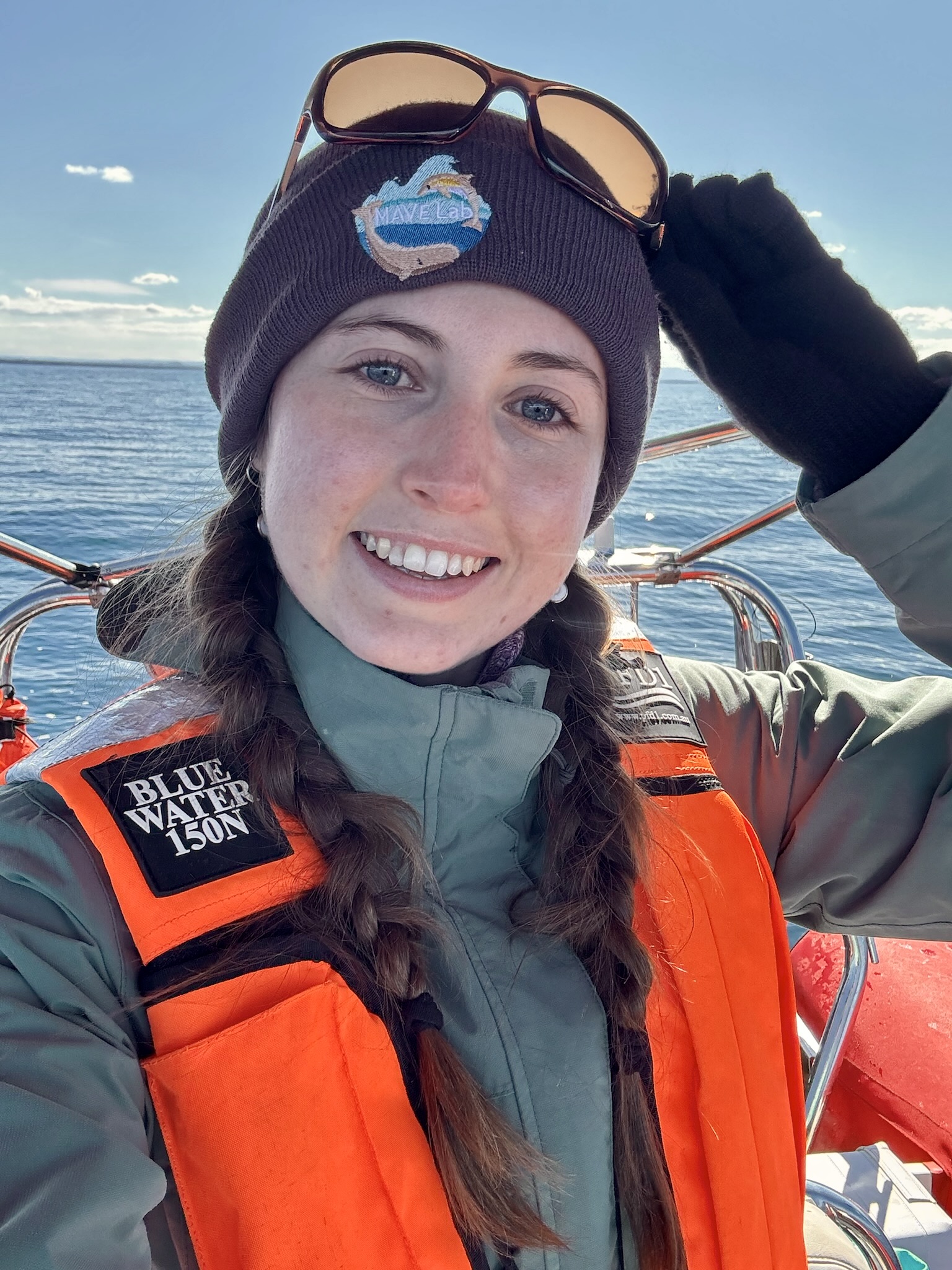
For months, my PhD research had existed mostly on paper. There were research questions, maps, survey designs, risk assessments, equipment lists and, most importantly, plans for how everything was supposed to work. Then, eventually, I got on a boat. This was my first proper stint of fieldwork for my own research project, the first time I was collecting data that would eventually become part of my thesis. I’d done boat-based dolphin fieldwork before, so the boats, binoculars an
Juliette Gard
Sep 134 min read


Writing retreat or getting words on the page
(written in partnership with BEAM) In academia, writing is not optional and, if you don’t particularly enjoy it that’s totally fair, but it might be worth reconsidering your career path. Writing is how we communicate our research, contribute to scientific progress, and stay accountable to the taxpayer that often funds our work. Yet, with everything else demanding our time (e.g., teaching, supervising, admin duties), writing is often the first thing to fall by the wayside. Dai

Katharina J Peters
May 95 min read


My gap year between Honours and PhD
Taking a year off after Honours felt risky, but it became one of the most valuable years of my life. I...

Elise Beaumont
Dec 2, 20255 min read


‘Forever chemicals’ contaminate more dolphins and whales than we thought – new research
Our new research shows that 'forever chemicals' (PFAS) have reached every corner of the...
Katharina J Peters
Nov 24, 20254 min read


13 things I learnt from my Honours year
Completing my Honours year taught me far more than research skills. It shaped how I work, think...

Hannah Davies
Nov 19, 20256 min read


From Talks to Necropsies: What Happens at a Student Marine Mammalogy Conference
We (Hannah, Kara, Elise) had the amazing opportunity to attend the conference of the Society for Marine Mammalogy NZ/AUS student chapter. For some of us, this was our first scientific conference experience ever, and for all of us, it was the first time attending the student chapter conference. Hannah, Elise and Kara on the Massey University grounds where the conference was held (repping the MAVE Lab merch of course) “He aha te kai a te rangatira? He kōrero, he kōrero, he kōre
Hannah Davies
Nov 14, 20254 min read


A new way to measure the age of dolphins opens a window onto the lives of these iconic animals
(reproduced from The Conversation) Knowing the age of an animal reveals key information about how long it lives and when it reproduces. Age is also essential to understanding the health of a population and how well it can cope with threats such as pollution and habitat loss. But figuring out the age of wild animals is not easy, especially for dolphins. Common dolphins in the wild. Auckland Whale and Dolphin Safaris, CC BY Until recently, researchers had to slice the teeth of
Katharina J Peters
Nov 13, 20254 min read


10 insights from our first marine fieldwork
Lessons learnt by four fieldwork rookies The 2024 MAVE Lab team: Lavinia Stokes, Benjamin Laforet, Katharina Peters, Elise Beaumont and Will Perkins 1. Remember and listen carefully to names This tops our list for good reason – it’s essential for a successful fieldwork experience! During fieldwork, you’ll often meet many new people, and remembering their names shows respect, builds rapport, and helps you avoid awkward moments later. And it’s not just names— nicknames matter t

Lavinia Stokes
Dec 14, 20244 min read


I can’t find a PhD on marine mammals. What now?
Finding a PhD on marine mammals is not an easy task, and not everyone succeeds. But that doesn’t mean your dreams of doing marine mammal research have to come to an end! As someone who has worked on marine mammals, birds, and terrestrial mammals, I give you eight reasons for why doing a PhD on a different system might actually work in your favor: 1 – More flexibility There are only a handful of universities hosting marine mammal research, but there are hundreds of places to s
Katharina J Peters
Aug 27, 20204 min read
bottom of page