top of page


Marine Vertebrate Ecology Lab

Blog


My research plan vs. the ocean
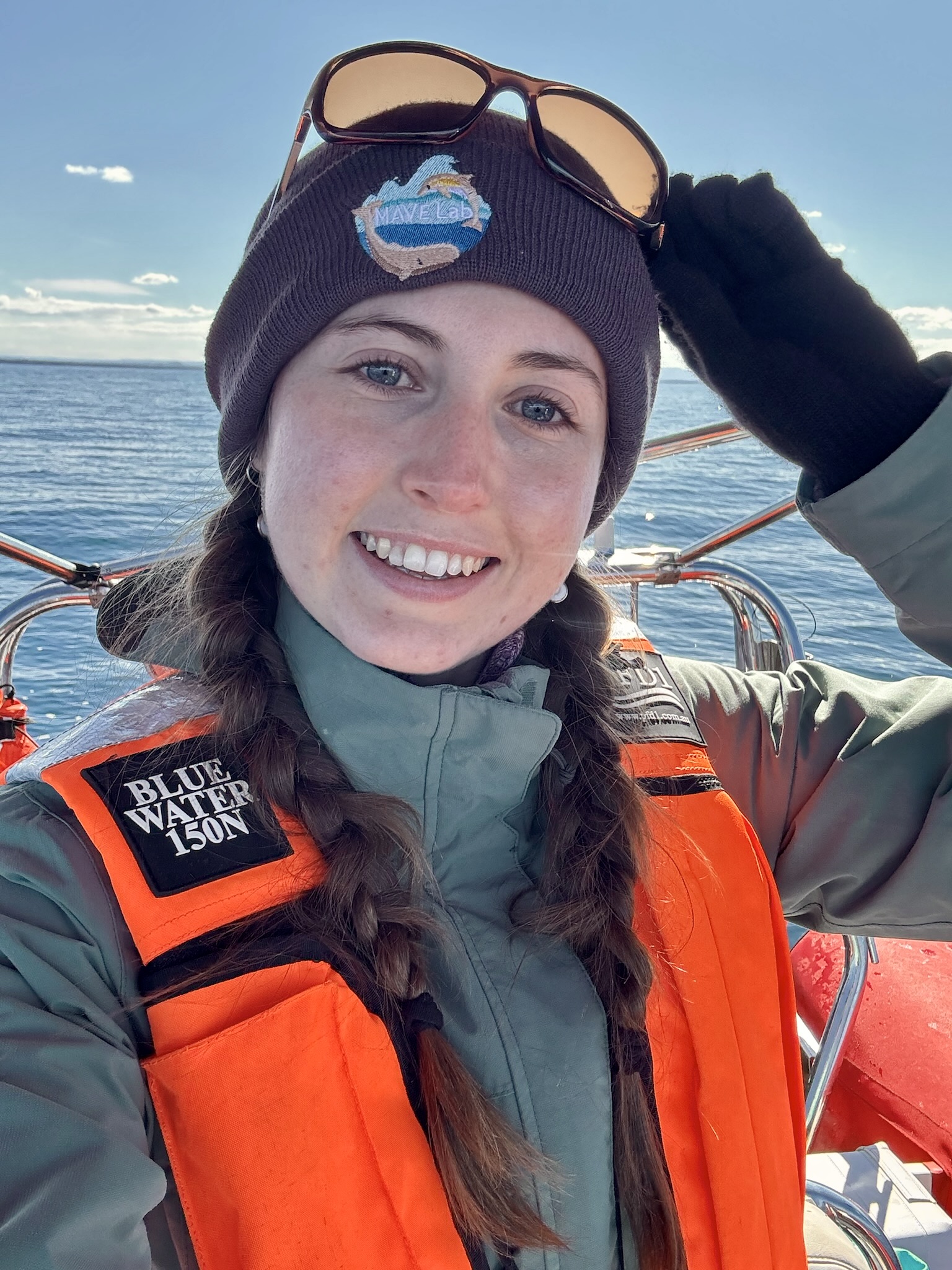
For months, my PhD research had existed mostly on paper. There were research questions, maps, survey designs, risk assessments, equipment lists and, most importantly, plans for how everything was supposed to work. Then, eventually, I got on a boat. This was my first proper stint of fieldwork for my own research project, the first time I was collecting data that would eventually become part of my thesis. I’d done boat-based dolphin fieldwork before, so the boats, binoculars an
Juliette Gard
Sep 134 min read


Predicting and managing koala population growth in South Australia
credit: Corey J.A Bradshaw, Flinders University, South Australia Australians tend to think of koalas as a species in crisis, iconic animals pushed toward extinction by climate change, disease and habitat loss. While that is true across much of eastern Australia, in South Australia’s Mount Lofty Ranges, koalas are facing the opposite problem: their numbers have grown so rapidly that they are now damaging the very forests they rely on. Unlike with non-native species such as go

Katharina J Peters
Aug 234 min read


Writing retreat or getting words on the page
(written in partnership with BEAM) In academia, writing is not optional and, if you don’t particularly enjoy it that’s totally fair, but it might be worth reconsidering your career path. Writing is how we communicate our research, contribute to scientific progress, and stay accountable to the taxpayer that often funds our work. Yet, with everything else demanding our time (e.g., teaching, supervising, admin duties), writing is often the first thing to fall by the wayside. Dai
Katharina J Peters
May 95 min read


‘Forever chemicals’ contaminate more dolphins and whales than we thought – new research
Our new research shows that 'forever chemicals' (PFAS) have reached every corner of the...
Katharina J Peters
Nov 24, 20254 min read


13 things I learnt from my Honours year
Completing my Honours year taught me far more than research skills. It shaped how I work, think...

Hannah Davies
Nov 19, 20256 min read


From Talks to Necropsies: What Happens at a Student Marine Mammalogy Conference
We (Hannah, Kara, Elise) had the amazing opportunity to attend the conference of the Society for Marine Mammalogy NZ/AUS student chapter. For some of us, this was our first scientific conference experience ever, and for all of us, it was the first time attending the student chapter conference. Hannah, Elise and Kara on the Massey University grounds where the conference was held (repping the MAVE Lab merch of course) “He aha te kai a te rangatira? He kōrero, he kōrero, he kōre
Hannah Davies
Nov 14, 20254 min read


A new way to measure the age of dolphins opens a window onto the lives of these iconic animals
(reproduced from The Conversation) Knowing the age of an animal reveals key information about how long it lives and when it reproduces. Age is also essential to understanding the health of a population and how well it can cope with threats such as pollution and habitat loss. But figuring out the age of wild animals is not easy, especially for dolphins. Common dolphins in the wild. Auckland Whale and Dolphin Safaris, CC BY Until recently, researchers had to slice the teeth of
Katharina J Peters
Nov 13, 20254 min read


10 insights from our first marine fieldwork
Lessons learnt by four fieldwork rookies The 2024 MAVE Lab team: Lavinia Stokes, Benjamin Laforet, Katharina Peters, Elise Beaumont and Will Perkins 1. Remember and listen carefully to names This tops our list for good reason – it’s essential for a successful fieldwork experience! During fieldwork, you’ll often meet many new people, and remembering their names shows respect, builds rapport, and helps you avoid awkward moments later. And it’s not just names— nicknames matter t

Lavinia Stokes
Dec 14, 20244 min read


Using the DNA of dolphins to know their age
One of the most fundamental pieces of information about individuals (including dolphins) is their age. In biology studies, scientists need to know how old an animal is to understand many aspects of its life history and, for example, to estimate the viability of a population. But estimating an animal’s age is no easy feat when its date of birth is unknown. Because there is no universal indicator for the aging process, it is especially difficult to age long-lived animals. In th
Katharina J Peters
Nov 23, 20233 min read


Live stranding! How you can help beached whales and dolphins
Stranding events (also known as beaching) involving cetaceans (whales, dolphins, and porpoises) have been documented since the 4th century. Originally, people considered stranded cetaceans a gift from the gods, providing food and other resources. However, today’s society has mostly shifted its vision of strandings to animals in need of human help. Most stranding events will involve single animals, but mass strandings involving up to hundreds of animals can occur in some locat
Katharina J Peters
Nov 23, 20235 min read


Warming oceans may force New Zealand’s sperm and blue whales to shift to cooler southern waters
(reproduced from The Conversation) The world’s oceans are absorbing more than 90% of the excess heat and energy generated by rising greenhouse gas emissions. But, as the oceans keep warming, rising sea temperatures generate unprecedented cascading effects that include the melting of polar ice, rising seas, marine heatwaves and ocean acidification. This in turn has profound impacts on marine biodiversity and the lives and livelihoods of coastal communities, especially in islan
Katharina J Peters
Aug 18, 20224 min read


Science is a marathon: what long-term opportunistic data can tell us about New Zealand sperm whales
We all have in mind these targeted and organized research projects, where scientists go into the field and collect specific data. But not everything in the scientific realm is as predictable as that. Some events, such as cetacean strandings, are unexpected and may only happen a few times per year. Still, there can be a lot of valuable data to collect if you know what to look for! This post describes the findings of our latest research on sperm whales in New Zealand. Photo cre
Katharina J Peters
Jul 14, 20224 min read


I can’t find a PhD on marine mammals. What now?
Finding a PhD on marine mammals is not an easy task, and not everyone succeeds. But that doesn’t mean your dreams of doing marine mammal research have to come to an end! As someone who has worked on marine mammals, birds, and terrestrial mammals, I give you eight reasons for why doing a PhD on a different system might actually work in your favor: 1 – More flexibility There are only a handful of universities hosting marine mammal research, but there are hundreds of places to s
Katharina J Peters
Aug 27, 20204 min read


11 things academic research and surfing have in common
The last time I went surfing the waves were very slow and between sets I had a lot of time to contemplate life. This was when it occurred to me that the pursuit of a career in academic research was similar, in many ways, to trying to catch waves. Here are 11 surprising things surfing and academic research have in common: 1 - It’s a constant struggle and a long hard slog to get past the white water Paddling out through the white water, having wave after wave come crushing down
Katharina J Peters
May 2, 20195 min read
bottom of page